
A communication skills workshop is a short, hands-on training where you practise listening, asking and handling difficult conversations with other people, get feedback on the spot and leave with tools you can use the next day. A good one spends most of its time on practice, not slides. If a workshop is mostly lecture, it is a talk about communication rather than training in it.
This guide is for coaches, leaders and people in helping professions who want to know what to look for before they book, which exercises to expect, and how to tell afterwards whether anything changed.
The short version
| What to look for | Why it matters |
|---|---|
| Live role-plays on real situations | You rehearse the conversations you actually have, not textbook scripts |
| Feedback in the moment | Corrections land while the conversation is still fresh |
| Small groups | The trainer can watch your practice, not just the room |
| Measurable outcomes | You can check afterwards whether your conversations changed |
| Tools for client sessions | Coaches and leaders need techniques they can run with someone else |
| A recognised certificate (optional) | Matters if you want to use the skills professionally |
What makes a communication skills workshop effective?
An effective workshop gives you many short rounds of practice, each followed by specific feedback. The topic matters less than the ratio of doing to listening. K. Anders Ericsson’s research on deliberate practice (1993) showed that skill grows through focused repetition with feedback, not through time spent near a subject, and talking to people is no exception.
In practice, five things separate a workshop that changes how you talk from one you forget by Friday:
- Live role-plays. You work on situations you bring yourself: the colleague who interrupts, the client who goes quiet, the feedback talk you keep postponing. Invented scripts teach you to perform a script.
- Real-time feedback. Someone watches you and tells you what they saw while you can still try it again. More on why below.
- Measurable outcomes. Before the workshop starts, you decide what you want to do differently, so you can check it afterwards.
- Tools you can use in client sessions. If you coach, lead or support people, you need techniques you can guide someone else through, not only tips for yourself.
- A small group. With twenty people in the room, the trainer sees two pairs per exercise. With ten, they can see everyone.
Why is real-time feedback the part that matters most?
Because you cannot see yourself while you talk. You know what you meant, but not how it came across, and that gap is exactly what a workshop should close.
Feedback is not automatically helpful, though. In a large meta-analysis, Avraham Kluger and Angelo DeNisi (1996) found that feedback improved performance on average, yet in about a third of cases it made performance worse, mostly when it pointed at the person instead of the task. So good workshop feedback describes behaviour: “your voice went up at the end and it sounded like a question” helps, “be more confident” does not. Look for trainers who talk this way, and for formats where a third person observes while two people practise.
What exercises can you expect in a communication skills workshop?
Expect short exercises in pairs or groups of three that train listening, observation and language. These are typical ones, many of them taken from NLP:
| Exercise | What you do | Where you use it |
|---|---|---|
| Calibration | Your partner thinks of someone they like, then someone they dislike. You learn to tell which from their face, breathing and posture alone. | Noticing when a client or colleague disagrees without saying so |
| Matching and leading | You match your partner’s pace and posture, then slowly change your own and see whether they follow. | Calming a tense conversation, building trust quickly |
| Precision questions | Your partner says something vague, such as “nobody listens to me”. You ask “who specifically?” and “how do you know?” until the real issue appears. | Coaching sessions, unclear briefings, complaints |
| Reframing | You take a sentence that sounds like a criticism and find a second meaning that is also true. | Feedback talks, conflicts, client objections |
| Perceptual positions | You replay a real conflict from your own chair, from the other person’s chair and from an observer’s seat. | Preparing a hard conversation, mediation |
Most of these build on rapport in NLP and on the questions of the Meta Model. If you want to try some before a workshop, these rapport building exercises you can practise this week are a good start.
How do you measure what a workshop changed?
Pick one or two behaviours before the workshop and count them in real conversations afterwards. “Communicate better” cannot be checked. “Ask three open questions before I give advice” can.
Useful things to track are how often you interrupt in a meeting, how many open questions you ask in a client session, how long you stay calm after a sharp comment, and whether people come back to you with their problems. Write your baseline down in the week before, then compare two and six weeks later. If nothing moved, the workshop gave you information but not a skill.
Workshop or certification: which do you need?
A one-day workshop is enough to try a method and give a team a shared language. It is rarely enough to change habits, because the practice stops when the day ends.
If you want to use communication tools with clients, or you want a credential others can check, a longer training makes more sense. Several consecutive days give you enough repetitions for a technique to feel natural, and a certificate from a recognised body tells clients what you were trained in. If you are not sure yet, start small and see whether the method suits you before you commit.
Where can you learn communication skills hands-on in Lisbon?
At NLP Lisbon, the communication training is the seven-day NLP Practitioner certification in Lisbon. It runs live, in English, with an international group of at most ten people. Each day combines short demonstrations with practice in pairs and small groups, with live feedback on what you actually did. You finish with the NLP Practitioner certificate of The Society of NLP, the licensing body founded by NLP co-creator Richard Bandler. The next training runs from 18 to 24 January 2027, 9:00 to 18:00, and costs €1700.
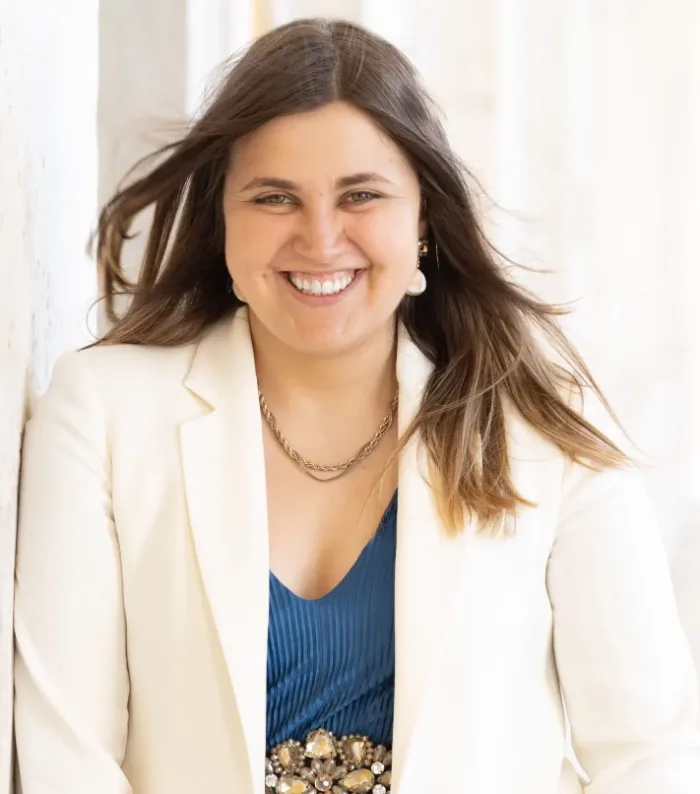
The trainer is Carolin Mallmann, a Licensed Trainer of The Society of NLP who was trained by Richard Bandler and has trained more than 300 people. The training is open to beginners, and coaches, leaders and helping professionals often join to add tools for their client work.
I keep the groups at ten so I can watch every pair practise and give feedback on what you actually said, not on what you meant to say.
Carolin Mallmann, Licensed Trainer of The Society of NLP, Lisbon
If you would rather try first, come to one of the free NLP practise evenings in Lisbon. They last two hours, take place in a small group in English, and you try one or two NLP formats with a partner. Dates are announced in the NLP Lisbon Meetup group, and there is no sales pitch.
FAQ
How long is a communication skills workshop?
Most communication skills workshops last half a day to two days. Trainings that lead to a certificate take longer: the NLP Practitioner at NLP Lisbon runs over seven full days. The longer format gives you enough repetitions for the techniques to become habits.
Are role-plays in a workshop awkward?
Often, for the first round. The awkwardness drops quickly when you work on real situations you bring yourself instead of invented scripts. Small groups help too, because you practise with the same few people and get used to each other.
Can I use what I learn with my clients?
Yes, if the workshop trains you to guide someone else through a technique, not only to use it on yourself. Look for formats where you take turns being the coach, the client and the observer. A certificate from a recognised body makes it easier to explain your training to clients.
Do I need experience to join?
No. A good communication skills workshop starts from zero and builds up step by step. The NLP Practitioner in Lisbon has no prerequisites, and the free practise evenings are open to complete beginners.
Is NLP backed by research?
The research is mixed. Some early NLP claims, such as reading lies from eye movements, have not held up in studies. The skills a good NLP training practises, like precise questions, attentive listening and structured feedback, overlap with areas that are well studied. An honest look is in does NLP work?
What does a communication workshop in Lisbon cost?
At NLP Lisbon, the seven-day NLP Practitioner certification costs €1700. The practise evenings are free. Travel and accommodation come on top for participants from abroad.
Keep exploring
- NLP communication skills: the five that matter most, if you want to know which skills to focus on first.
- NLP for musicians and performance anxiety, for what helps when nerves take over in front of people.
Carolin Mallmann, Licensed Trainer of The Society of NLP, trained by Richard Bandler. She has trained 300+ people and runs English-language NLP trainings in Lisbon (groups of max. 10).
See the dates for the next NLP Practitioner training in Lisbon